The Ultimate Guide: the World's Best Cabernet Sauvignon Regions

This article draws on a piece originally written by Hannah Staab and published by VinePair, which highlights some of the world's best Cabernet Sauvignon regions.
Cabernet Sauvignon is more than just a grape. It’s a language spoken across continents, a story told in the soil and the sun. From the historic vineyards of Bordeaux to the rugged slopes of Washington State, this varietal has a way of showing you exactly where it’s from. For those of us who live and breathe this craft, knowing those stories—the dirt, the climate, the hands that tend the vines—is what separates a good recommendation from a truly memorable one.
This guide was written for the professional palate. It’s a look into the iconic regions that define Cabernet Sauvignon today. We’re going beyond the basics to explore the technical details that give each terroir its voice. This resource is designed to sharpen your expertise and add depth to the conversations at the table, connecting the wine in the glass to the ground it came from.
1 Bordeaux, France: The Benchmark
Bordeaux is the soul of Cabernet Sauvignon. It's the region that gave the grape its name and its reputation for structure, elegance, and incredible aging potential. Here, Cabernet Sauvignon is rarely bottled alone; it's the lead voice in a world-renowned chorus, blended with Merlot, Cabernet Franc, Petit Verdot, and Malbec.
Climate and Soil: The region is defined by the Gironde Estuary, which splits the area into the Left Bank and Right Bank. The Left Bank, home to Cabernet-dominant blends, features deep, well-draining gravel soils. These "pudding stones" (galets) retain daytime heat, radiating it back to the vines at night, which is crucial for ripening Cabernet Sauvignon in this marginal maritime climate. Sub-regions like Pauillac and Margaux are famous for their unique gravel compositions, leading to distinct aromatic profiles.
Technical Details: The best vintages on the Left Bank occur in warmer, drier years that allow the late-ripening Cabernet to achieve full phenolic maturity. Tannin management is everything. Producers use techniques such as délestage (rack-and-return) to gently extract color and tannins while avoiding harshness. The result is wines with a firm, architectural tannin structure, high acidity, and flavors of blackcurrant, graphite, cedar, and tobacco that evolve for decades.
Aging Potential: First-growth Bordeaux can age for 50 years or more, developing tertiary notes of leather, truffle, and forest floor. The powerful tannins soften over time, creating a seamless, silky texture.
Notable Producers: Château Latour, Château Margaux, Château Lafite Rothschild. These estates are masters of terroir, crafting wines that are a pure expression of their gravelly plots.
Tip: When tasting a young Bordeaux, give it plenty of time to breathe—a decanter allows those layered aromas of graphite and earth to come alive, hinting at the complexity these wines develop with age.
2 Napa Valley, USA: The New World Icon
If Bordeaux is the classic benchmark, Napa Valley is the bold, modern icon. Napa put New World Cabernet on the map, proving that it could rival the best of France with its power, opulence, and sun-ripened fruit. The valley's diverse microclimates and soils create a spectrum of Cabernet styles.
Climate and Soil: Napa Valley is a narrow, 30-mile-long valley with a warm Mediterranean climate cooled by morning fog from the San Pablo Bay. This fog is key, preserving acidity in the grapes. The soils are incredibly complex—a geological puzzle of over 100 different soil variations. The volcanic soils of Howell Mountain and Atlas Peak produce wines with intense structure and minerality. In contrast, the alluvial soils of the valley floor in Rutherford and Oakville yield plusher, more generous wines. The famous "Rutherford Dust" is a widely used term for the fine, cocoa-powder-like tannins from this area.
Technical Details: Napa producers are known for meticulous vineyard management and advanced winemaking. Many practice deficit irrigation to control vine vigor and concentrate flavors. Extended maceration (up to 30-40 days) is common, building immense structure and color. The use of new French oak is prevalent, imparting notes of vanilla, spice, and toast that complement the wine's powerful black fruit profile of cassis, black cherry, and plum.
Flavor Profile: Expect wines with ripe, rich fruit, full bodies, and smooth, velvety tannins. While powerful in their youth, the best examples have the balance and structure to age beautifully, developing more savory, earthy notes.
Notable Producers: Screaming Eagle, Harlan Estate, Opus One. These "cult Cabs" are known for their precision, intensity, and limited production.
Fun Fact: During the famed 1976 Judgment of Paris, a Napa Cabernet beat out classified growths from Bordeaux in a blind tasting—forever changing the world’s perception of American wine. Today, Napa Cabernets are often featured on elite wine lists around the world.
3 Maipo Valley, Chile: High-Altitude Elegance
Nestled in the foothills of the Andes, the Maipo Valley is Chile’s most historic and prestigious wine region. It has earned a reputation for producing Cabernet Sauvignon that beautifully marries Old World structure with New World fruit. The high-altitude vineyards are the secret to its success.
Climate and Soil: Maipo has a warm, dry Mediterranean climate with a massive diurnal shift—hot days are followed by cold nights, thanks to cool air descending from the Andes. This temperature swing slows down ripening, allowing for the development of complex flavors while preserving crucial acidity. The soils are alluvial, poor in organic matter, and rocky, forcing the vines to dig deep for water and nutrients. The Alto Maipo sub-region is particularly celebrated for its high-altitude vineyards, producing the most structured and age-worthy Cabs.
Technical Details: Winemakers in Maipo often emphasize terroir expression through minimal intervention. Irrigation is managed precisely to control canopy growth and berry size. The resulting grapes have a high skin-to-pulp ratio, leading to concentrated wines with firm tannins. The flavor profile is a hallmark of the region: blackcurrant and blackberry fruit are layered with distinctive notes of mint, eucalyptus, and dark chocolate.
Tannin Structure: Maipo Cabernets are known for their firm, slightly grippy tannins that provide a strong backbone for aging. They are less plush than Napa but more fruit-forward than Bordeaux, occupying a unique space in the world of Cabernet.
Notable Producers: Almaviva, Viñedo Chadwick, Don Melchor. These producers are crafting world-class wines that showcase the incredible potential of high-altitude Chilean terroir.
Fun Fact: Thanks to Maipo's strong Andean influence, it's not uncommon to find subtle notes of mint and eucalyptus in the wines, a flavor signature that pairs exceptionally well with lamb dishes—a traditional favorite in Chilean cuisine.
4 Coonawarra, Australia: The Terra Rossa Treasure
In the world of Cabernet, soil is destiny. Nowhere is this more true than in Coonawarra, a small, flat region in South Australia defined by a narrow strip of red soil known as "terra rossa." This unique soil is the key to Coonawarra’s distinctively elegant and aromatic Cabernet Sauvignon.
Climate and Soil: The region’s defining feature is the terra rossa, a bright red, iron-oxide-rich clay soil sitting atop a bed of soft limestone. This soil profile provides excellent drainage while retaining enough moisture to sustain the vines through the dry growing season. The climate is maritime, with cold, wet winters and long, cool, dry summers influenced by the nearby Southern Ocean. This cool climate allows for a long, slow ripening period.
Technical Details: The combination of terra rossa soil and a cool climate produces Cabernet Sauvignon with remarkable intensity and focus. The wines are known for their vibrant acidity and fine-grained, dusty tannins. The aromatic profile is unmistakable: intense notes of blackcurrant, cassis, and plum are accented by a signature scent of cedar and eucalyptus or mint.
Aging Potential: Coonawarra Cabernets are built to last. In their youth, they are tightly wound and structured, but with a decade or more in the bottle, they unfurl to reveal complex layers of flavor and a silky, refined texture. They are some of the most age-worthy wines in the New World.
Notable Producers: Wynns Coonawarra Estate, Parker Coonawarra Estate, Penley Estate. These wineries have a deep understanding of the terra rossa and consistently produce benchmark examples of the region's style.
Tip: If you ever get the chance to visit Coonawarra, try a vertical tasting—sampling multiple vintages side by side. You'll experience just how remarkably this region’s Cabernet evolves, revealing subtle shifts in fruit, earth, and spice as the years roll by.
5 Washington State, USA: The Rising Star
Washington State is one of the most exciting wine regions in the world today, and its Cabernet Sauvignon is leading the charge. It’s a place of extremes, where powerful fruit is balanced by incredible structure and freshness, offering a compelling alternative to its more famous West Coast neighbors.
Climate and Soil: The key vineyards are located in the east of the Cascade Mountains, in a high-desert rain shadow. The region gets over 300 days of sun a year but has a significant diurnal shift, with temperatures dropping dramatically at night. This allows the grapes to achieve full ripeness while retaining bright acidity. The soils are primarily sandy loam left behind by the ancient Missoula Floods, which are deep, well-draining, and phylloxera-free.
Technical Details: Due to its northern latitude, Washington receives two more hours of sunlight per day during the peak growing season than Napa. This, combined with the cool nights, results in wines that have the ripe fruit of a warm climate and the structure and acidity of a cool climate. The flavor profiles are often a mix of dark fruit (black cherry, cassis) and red fruit (redcurrant, raspberry), with underlying notes of herbs, earth, and minerality.
Tannin and Structure: Washington Cabernets are known for their powerful but polished tannins and robust structure, which gives them excellent aging potential. They combine the power of Napa with a structural feel that some compare to Bordeaux. It's a style rooted in the dirt, not just the sun.
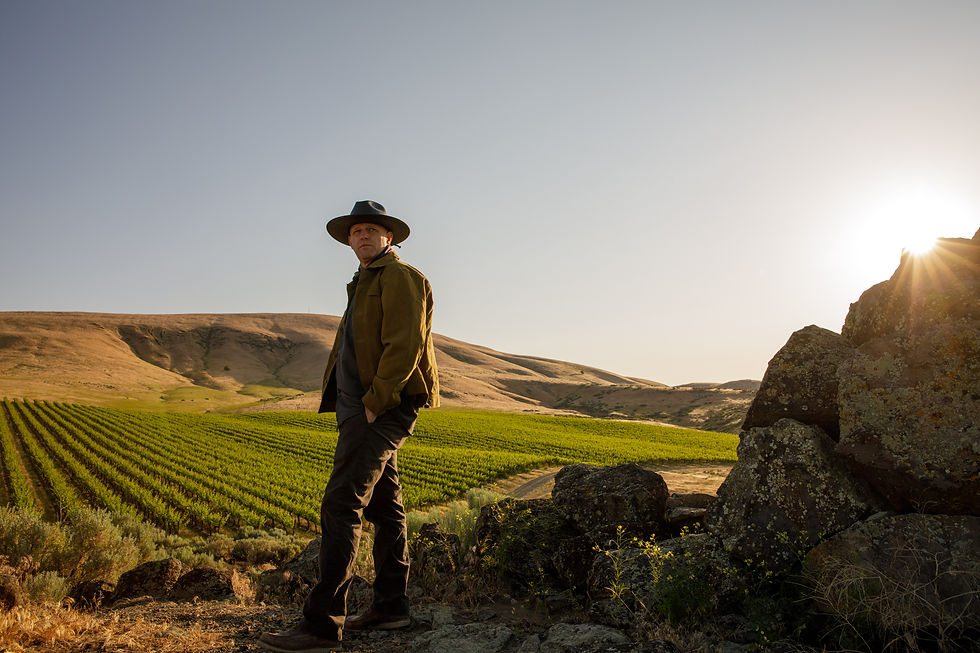
Notable Producers: Quilceda Creek, Leonetti Cellar, Woodward Canyon. These producers were pioneers in the state and continue to craft some of the most sought-after Cabernets in the United States. Elephant Mountain Vineyard is a rising star—one of Washington's best-kept secrets. Tucked into high-elevation, desert-like hills, it produces a limited-edition, own-rooted, one-block Cabernet Sauvignon that captures the wild character and clarity of this dramatic landscape.
Fun Fact: Washington is the second-largest wine-producing state in the U.S., yet it remains remarkably under-the-radar for Cabernet. Many small-batch bottlings, especially from high-elevation vineyards, are snapped up locally before they reach national shelves—making them hidden gems for those in the know.
6 Stellenbosch, South Africa: A Fusion of Power and Elegance
Stellenbosch has quietly become one of the world’s finest Cabernet Sauvignon regions, famous for its combination of ripe, sun-baked fruit and classic structure. Just a short drive from Cape Town, these vineyards are sculpted by ancient mountains, brisk ocean breezes, and diverse soils.
Climate and Soil: Stellenbosch enjoys a Mediterranean climate, moderated by the cool Benguela Current flowing in from the Atlantic. Days are warm and sunny, while nights are cool, extending the growing season and building complexity. Soils are incredibly diverse—decomposed granite, clay, and sandstone—allowing winemakers to dial in style and structure by site.
Technical Details: Fruit is often hand-picked and sorted, with some winemakers implementing extended hang times to tease out lushness and ripeness. Classic techniques like open-top fermentation and basket pressing are common, yielding wines of power and poise.
Flavor Profile: Expect a core of blackcurrant, plum, and dark berry, accented by subtle mint, dried herbs, and sometimes a whiff of pencil shavings or tobacco—signatures of mature Cabernet. Well-integrated tannins and balanced acidity carry these wines through years of cellaring.
Notable Producers: Kanonkop, Rust en Vrede, Meerlust. These estates stand as guardians of South African terroir, shaping a modern classic with a distinctly African fingerprint.
Tip: Seek out older vintages of Stellenbosch Cabernet; these wines often develop an alluring secondary character—think fynbos, dried tobacco leaf, and sweet earth—that pairs beautifully with flame-grilled meat or a simple, hearty stew.
7 Tuscany, Italy: Supertuscan Innovation
Most wouldn’t have pegged Italy as a Cabernet powerhouse decades ago, but the rolling hills of Tuscany have rewritten that script. The advent of "Super Tuscans"—wines blending Sangiovese with Cabernet Sauvignon (sometimes entirely from international varieties)—has brought new dimension to the region’s offerings.
Climate and Soil: Tuscany is a tapestry of hills and valleys with soils ranging from galestro (crumbly marl) to clay and limestone. The region’s Mediterranean climate basks in hot, dry summers and receives cooling breezes from both the sea and mountains, creating ideal conditions for concentrated fruit and structured tannins.
Technical Details: Winemakers here aren’t bound by DOC laws when crafting Super Tuscans, allowing for experimentation with barrique aging, extended maceration, and innovative blends. The best wines are fermented in stainless or wood, aged in new French oak for structure and spice, and bottled only in the finest vintages.
Flavor Profile: These are bold, layered wines—powerful yet finessed. Look for deep flavors of cherries, cassis, spice, and cedar, with tannic backbones softened by Tuscan sun and botti aging. They offer a meeting point between Old World restraint and New World flair.
Notable Producers: Tenuta San Guido (Sassicaia), Ornellaia, Antinori (Tignanello). These names helped launch the global reputation of Tuscan Cabernet and continue to innovate year after year.
Fun Fact: The term "Super Tuscan" was coined in the 1970s by critics seeking to describe these rule-breaking, high-quality blends that didn’t fit traditional Italian classifications—proving sometimes the best bottles come from coloring outside the lines.
A Journey in Every Glass
From the gravelly soils of Bordeaux to the high-elevation hills of Washington State, each region offers a unique expression of this noble grape.
Understanding the technical details—the soil, the climate, the hands that craft the wine—is what transforms a simple tasting into a deep appreciation. It’s about connecting with the story behind the bottle and sharing that connection with others.
This is the work we do. It’s a lifelong journey of learning, tasting, and sharing. We trust this guide gives you a fresh perspective to bring to the table and inspires you to continue exploring the world, one glass at a time.
Special thanks to Vinepair and Hannah Staab for their insights on the world's top Cabernet Sauvignon regions, which helped inform this article.
###